Key Takeaways
Internet radio streams audio over the internet rather than via radio towers, so a station can reach listeners anywhere in the world without a broadcast licence or transmitter.
The technical chain has four steps: audio capture, encoding, streaming server, then delivery to listener devices. Cloud platforms have made this accessible enough for anyone to set up.
AI and automation are reshaping operations, auto-scheduling, AI-generated voiceovers, and listener analytics are all tools available to independent stations today.
Music licensing is the main legal complexity. Rules vary by country and non-compliance can lead to fines or shutdown, so understanding your territory's requirements is essential before going live.
Internet radio leverages streaming technology to deliver audio content worldwide, breaking free from the geographic limitations of traditional AM/FM broadcasting. In 2026, it stands as the go-to medium for creators seeking direct audience connections and listeners craving personalized, on-demand content that matches their specific interests.
The landscape has evolved dramatically, what once required expensive infrastructure now happens through accessible cloud platforms, enabling anyone to launch a station and find their audience. Before you start your own broadcasting journey, understanding how internet radio operates and where the industry is headed will give you the strategic foundation needed to build a sustainable station.
What is internet radio?
Internet radio broadcasts audio streams over the internet, allowing users worldwide to access live or pre-recorded content through web browsers, mobile apps, or smart devices. Unlike AM/FM radio, which relies on geographic signal coverage and frequency bands, internet radio leverages digital streaming technology, removing geographic limitations. This means anyone with an internet connection can tune in, offering unparalleled accessibility and convenience.
Key differences include:
- Accessibility: AM/FM stations are regionally limited, while internet radio can reach listeners globally.
- Distribution: Traditional radio relies on radio towers, whereas internet radio streams content through online servers.
- Interactivity: Internet radio often integrates interactive features like live chats or on-demand playback.
This digital evolution has transformed how audiences consume audio content, breaking barriers set by traditional broadcasting methods. The shift is now measurable at the level of the whole audio day. On-demand platforms overtook linear broadcast in the US in 2023, and by 2026 account for 56% of all daily audio time, a lead that keeps widening, according to Edison Research. In the UK the trajectory is just as steep: RAJAR data shows online listening grew from 6% of all radio hours in 2013 to 30.4%, some 306 million weekly hours, by the first quarter of 2026.
In terms of its pros and cons:
| Aspect | Pros | Cons |
|---|---|---|
| Global Reach | Accessible to listeners worldwide, breaking geographical barriers. | May struggle to build a loyal audience without niche targeting. |
| Startup Costs | More affordable compared to AM/FM radio; requires minimal equipment and infrastructure. | Licensing fees for music broadcasting can add up, particularly for smaller broadcasters. |
| Audience Targeting | Ideal for niche genres or topics, enabling personalized and engaging content. | Requires consistent branding and content quality to stand out in a competitive market. |
| Accessibility | Available on multiple devices, including smartphones, tablets, and smart speakers. | Internet dependency can cause disruptions in areas with unstable or slow connections. |
| Interactivity | Features like live chats and on-demand playback enhance listener engagement. | Advanced features may require technical expertise or additional costs. |
| Licensing and Copyright | Simplified access to global licensing organizations for legal music broadcasting. | Complex regulations vary by country; non-compliance can lead to fines or shutdowns. |
| Technology | Leverages tools like analytics, AI-based scheduling, and automation for efficiency. | Staying updated with the latest technology demands investment and technical skills. |
| Competition | Low entry barriers encourage creativity and innovation in broadcasting. | Saturated market makes it challenging to attract and retain a significant listener base. |
How internet radio works step by step
Internet radio operates seamlessly, transforming audio into digital streams accessible worldwide.
Here’s a basic breakdown of how it works:
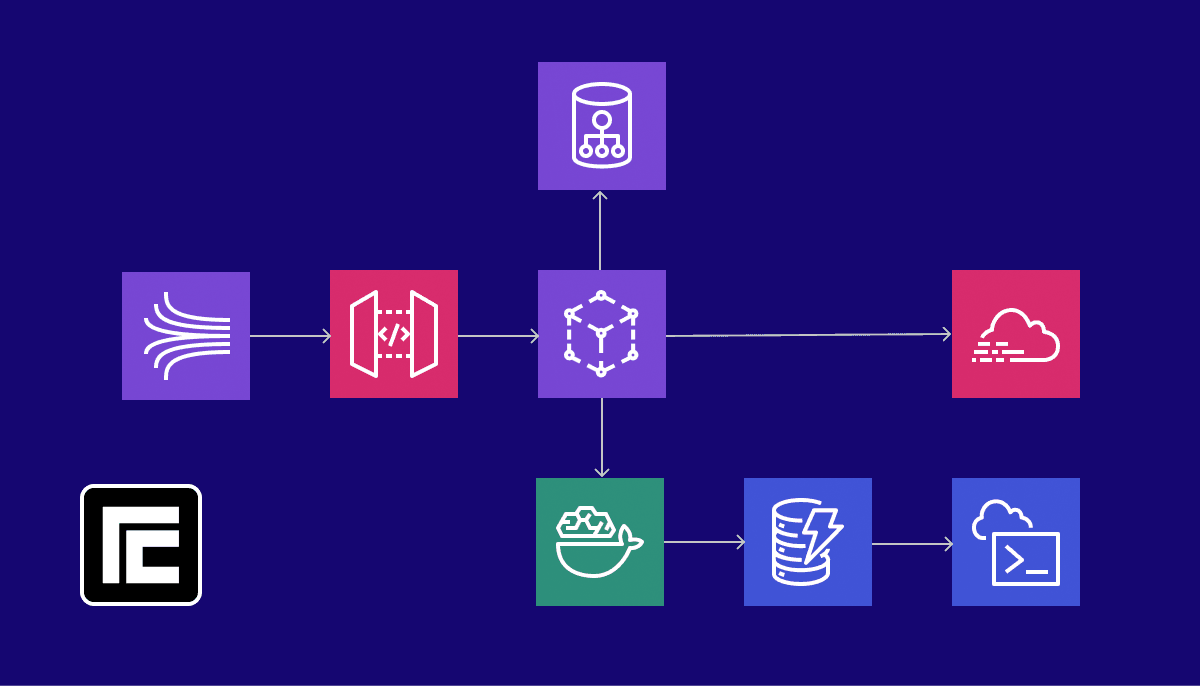
- Audio Capture: Content begins with audio capture through microphones, mixers, or DJ equipment. Broadcasters use these tools to create live shows, pre-recorded mixes, or playlists.
- Encoding: The captured audio is converted into a digital format using encoders. These tools compress the audio into smaller file sizes for efficient streaming without compromising quality. Popular encoders include BUTT, OBS Studio and SAM Broadcaster. The codec you encode with matters more than most broadcasters realise. Modern codecs squeeze far more quality out of each kilobit: in blind fullband-music listening tests documented in the Opus codec's AES paper, Opus at 64 kbps outperformed MP3 at 128 kbps, which is why a lean stream can still sound full.
- Streaming Server: Encoded audio is sent to a streaming server, the central hub for distributing the broadcast. Servers like Icecast or Shoutcast take the audio stream and transmit it to listeners via a unique URL, though a managed platform can handle all of this without you running your own server software. Most internet radio still runs on the classic ICY protocol behind Shoutcast and Icecast, while newer HTTP-based protocols such as HLS are increasingly used for adaptive, lower-latency delivery.
- Content Management System (CMS): Many broadcasters use CMS platforms to manage playlists, schedules, and metadata (e.g., song titles or artist names). These systems automate processes like switching between live and pre-recorded content or adding jingles and ads.
- Delivery to Listeners: The streaming server delivers the audio to listener devices through internet connections. Audiences tune in using web players, mobile apps, or smart speakers, making reaching listeners on various platforms easy. That last device class is worth designing for: Edison Research found US smart-speaker owners spend nearly 5 hours a day with audio, 18% more than non-owners, and 91% of them had streamed audio in the past month.
RadioCult's radio hosting handles this entire capture-to-delivery chain for you, so there is no server, or CDN to configure yourself. You can see the full broadcasting toolset and reach unlimited listeners on any device.
Get a reliable stream running with RadioCult.
Types of internet radio broadcasts
As a broadcaster, you can choose from several formats depending on your goals and resources:
| Broadcast Type | Description | Examples | Why Choose This Format? |
|---|---|---|---|
| Live Streams | Real-time broadcasts that encourage spontaneity and audience interaction. | - Talk shows with live callers - DJ sets with real-time mixing - Sports commentary synced with live events | - Creates immediacy and excitement. - Encourages real-time audience engagement (e.g., requests, live chats). |
| Podcasts | Pre-recorded audio files available on-demand, often with a specific theme. | - Storytelling - Interviews - Educational content | - Flexible recording and publishing. - Perfect for time-shifted listening, allowing audiences to tune in anytime. |
| Syndicated Shows | Pre-produced programs distributed across multiple stations. | - Music countdowns - Talk radio - Specialty segments like health tips | - Saves time by providing ready-made content. - Ideal for smaller broadcasters with limited resources. |
Impact of AI and automation on internet radio
AI and automation are transforming internet radio by enhancing user experiences, streamlining operations, and enabling broadcasters to engage more effectively with their audiences.
Here’s how:
- Music Recommendation: AI algorithms analyze listener behavior, preferences, and trends to deliver personalized playlists. Platforms like Pandora and Spotify have set benchmarks for AI-driven music curation. Still, smaller internet radio stations are adopting similar tools to create tailored experiences.
- Content Personalization: Beyond music, AI enables stations to deliver personalized ads, show recommendations, or news updates based on user demographics and listening habits.
- Operational Efficiencies: Automation simplifies complex workflows, including:
- Scheduling: AI tools can auto-schedule playlists and ad breaks.
- Voiceovers: Text-to-speech AI generates professional voiceovers for station IDs or advertisements without hiring talent.
- Analytics: Platforms offer AI-driven insights into audience behavior, helping broadcasters make informed decisions.
By reducing manual tasks and improving personalization, AI and automation empower stations to focus on creating high-quality content while maintaining operational efficiency. RadioCult builds this in with automated scheduling and real-time analytics, so you can run 24/7 without sitting at the mixer.
Automate your scheduling and audience analytics with RadioCult.
Other future trends in internet radio functionality
The future of internet radio is shaped by rapid technological advancements, evolving regulations, and shifting listener preferences.
One of the most transformative trends is the rise of 5G connectivity, which offers faster speeds and lower latency, enabling higher-quality audio streams and enhancing accessibility for listeners worldwide. Latency is the quiet frontier here. A peer-reviewed IEEE Communications Surveys and Tutorials study reports that standard HTTP streaming such as traditional HLS runs 12 to 30 seconds behind live, low-latency HLS narrows that to 2 to 6 seconds, and WebRTC delivers audio in under half a second. Closing that gap is what lets internet radio match the immediacy of broadcast for live shows, sports and interactive formats.
On the regulatory front, the growth of internet radio may prompt licensing and copyright enforcement updates, potentially increasing broadcasting costs as compliance requirements tighten. Data privacy regulations, such as GDPR, will likely impact how stations collect and manage user data, emphasizing the need for secure and transparent practices.
By proactively embracing these trends, internet radio broadcasters can stay competitive in a dynamic landscape, offering innovative experiences and meeting the needs of future audiences.
How RadioCult helps you run an internet radio station
RadioCult brings the practical side of running an internet radio station into one platform, instead of stitching together separate tools for streaming, scheduling, and audience data.
Broadcasting and scheduling are handled together: live shows, pre-records, and AutoDJ fallback run on the same calendar-based schedule with repeating rules, so a full week of programming stays organized without manual rebuilding. Stations coordinating multiple presenters can manage roles, access, and scheduled time slots for each person through station and artist management.
For listener engagement, RadioCult includes built-in chat rooms so stations can interact with their audience directly around live shows, alongside a free mobile app that keeps listeners connected to the station's schedule and stream.
Real-time analytics track listener numbers, peak times, and locations across web and mobile, with 12 months of historical data retained, useful for spotting trends or building a case for sponsors and grants.
Support is available across all plans if you run into questions during setup or day-to-day use.
Frequently Asked Questions
How do internet radio stations differ from traditional AM/FM radio stations?
Internet radio uses online streaming to broadcast globally, while AM/FM stations rely on radio waves limited by geographic range. Internet radio also offers greater interactivity and on-demand options. The two are converging fast: IAB reports that online streaming already drives roughly 1 in every 5 minutes of US AM/FM listening, and Edison Research finds listeners aged 18 to 49 now do 20% of their radio listening through the internet, two-thirds of it on a phone.
What are the bandwidth requirements for hosting an internet radio station?
Bandwidth needs depend on stream quality and audience size. For example, a 128 kbps stream with 100 listeners requires approximately 12.8 Mbps bandwidth.
What’s the difference between live streaming and pre-recorded shows?
Live streaming broadcasts in real-time, creating immediacy and interactivity. Pre-recorded shows offer flexibility for editing and on-demand access.
How much does it cost to run an internet radio station?
Costs typically range from $33/month using RadioCult alone up to around $50/month if you're also paying for a website and hosting, plus music licensing once you play copyrighted music. See the full cost breakdown for a detailed guide.
What equipment and software are needed to start an internet radio station?
Basic requirements include a computer, microphone, audio mixer, encoding software, and access to a streaming platform. For more detail, check out our internet radio station equipment guide.
Can internet radio stations interact with listeners in real-time, and how?
Yes, through live chats, social media, or call-ins during live streams, stations can engage audiences directly. RadioCult’s chat room feature provides this functionality built in.
How do internet radio stations measure listener statistics and audience engagement?
RadioCult offers real-time analytics that provide detailed insights, including listener numbers, geographic locations, and engagement trends, helping broadcasters optimize content and grow their audience.
Are there any downsides to internet radio?
The main ones are reliance on a stable internet connection, since a weak signal or spotty wifi can interrupt playback in a way AM/FM never does, and data usage if listening on mobile without wifi. Discoverability can also be harder than tuning a dial, since listeners need to find the station online first. None of these are dealbreakers for most listeners today, but they're the real tradeoffs against traditional radio.
How do you listen to internet radio?
Through a web browser, a station's own mobile app, an embedded player on a website, or increasingly through smart speakers and connected car systems. RadioCult stations are listenable through all of these, including a free mobile app for listeners and embeddable player components stations can drop onto their own site.