Can you introduce Sibling Radio and explain what inspired you to start a new online radio station in 2025?
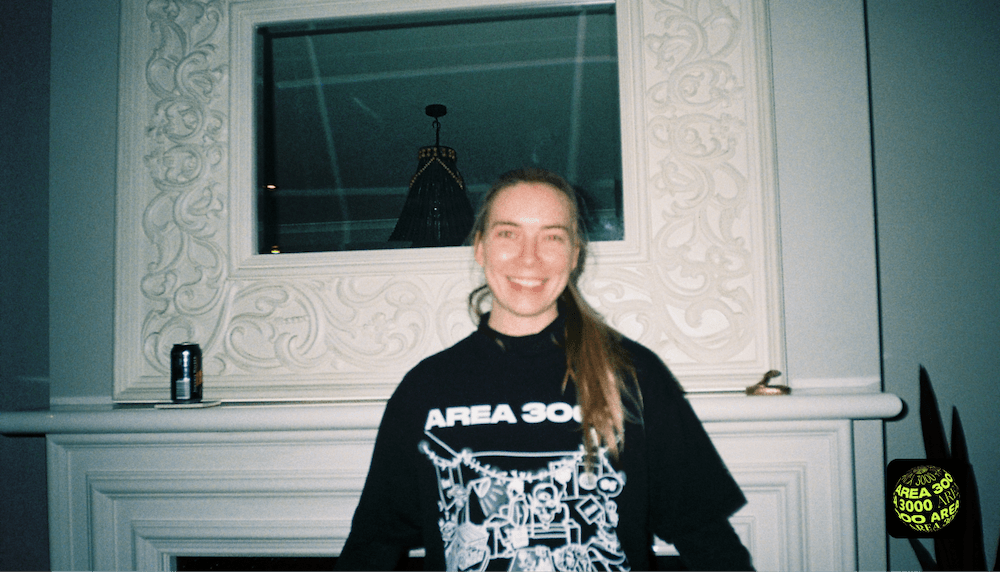
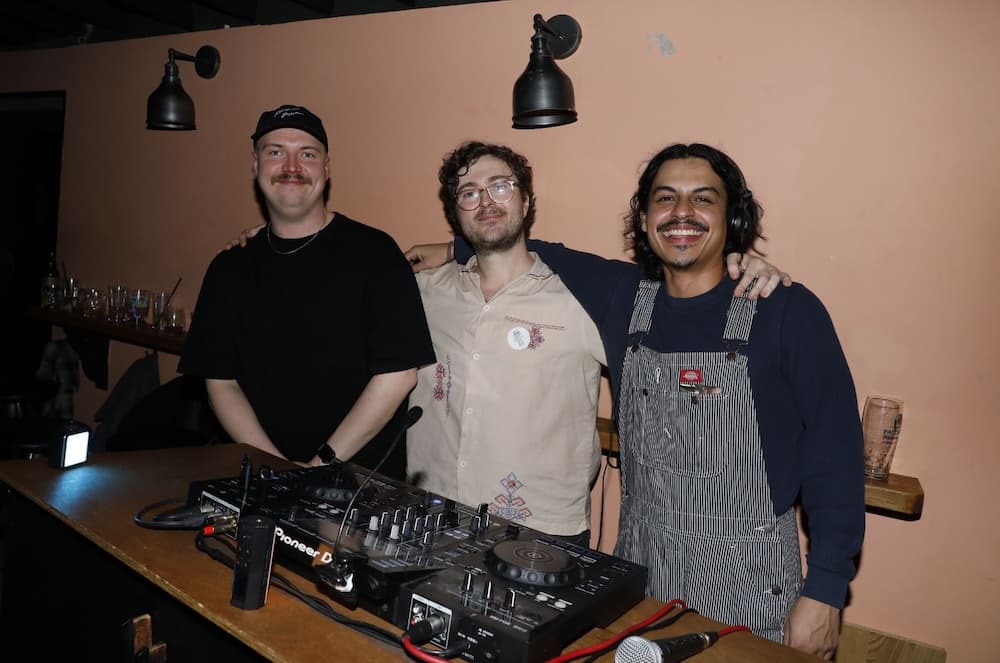
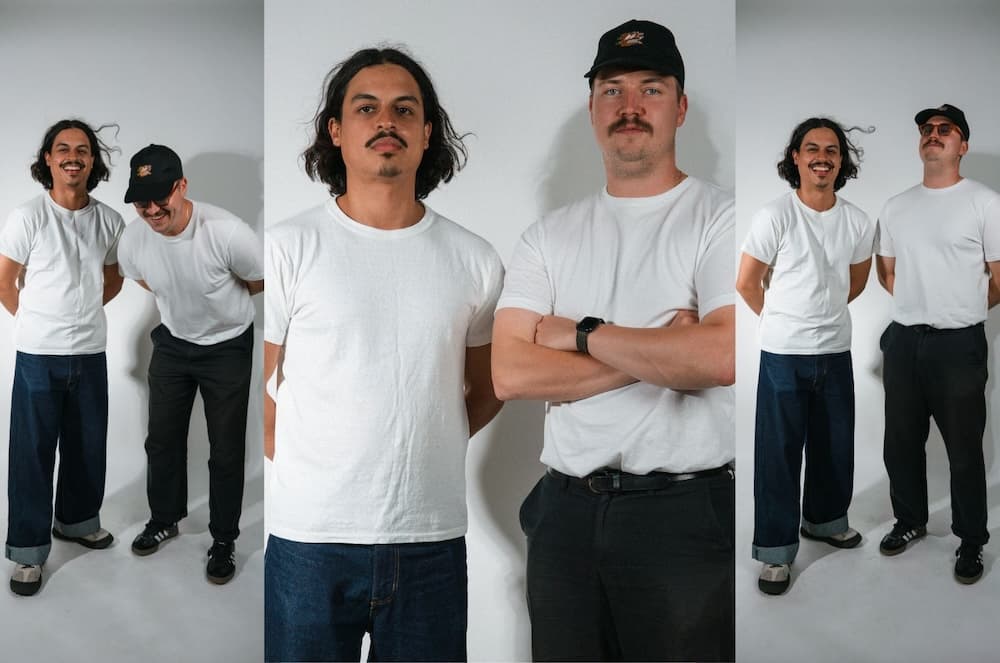
SIBLING RADIO is a London-based internet community station founded by myself (Jabriel AlSuhaimi), Ben, and Andy. We're a community-led radio station with a primary focus on platforming hosts, DJs, and podcasters with little to no experience in radio broadcasting.
Sibling Radio was born out of our love for grassroots music and pirate radio, coupled with our personal journeys in DJing and radio. For me, stations like Love Will Save The Day FM, Voices Radio, Threads Radio, NTS, and Room 303 Radio were huge inspirations, giving me a clear idea of the kind of community-driven platform I wanted to build.
After volunteering for Threads Radio and hosting shows on various global stations, I knew I wanted to take the next step with starting my own radio. That moment came at We Out Here in 2024, when I learned that the station my show was on was shutting down. So rather than find a new home for my show, I decided to get started with SIBLING RADIO. Mainly because I felt I had enough knowledge, experience and inspiration to run a radio station sustainably and a partner who had a similar vision to what I had.
What unique opportunities or challenges do you see for someone launching a radio station today compared to previous decades?
Opportunities:
- Low Barrier to Entry: Unlike previous decades where acquiring an AM/FM license and signal was difficult (especially in places like the Middle East and Singapore where I grew up), launching an online station is relatively easy and affordable.
- Global Reach: We aren’t bound by geography. We currently feature DJs from New York City, Palestine, Tokyo, and Bahrain, instantly building a diverse, global community that a traditional terrestrial station could not easily replicate.
- Niche Focus: We can directly appeal to listeners moving away from algorithmic platforms, offering a curated, human-led experience.
Challenges:
- Audience Fragmentation: We compete with every other piece of content online (Spotify, podcasts, YouTube). The challenge is cutting through to find and retain a dedicated audience.
- Protocol Management: One unexpected challenge is creating and enforcing a strict protocol for our volunteers and contributors. As creatives, simply showing up to produce the show takes a lot of energy; adding extra requirements (like timely submission, tracklists, and descriptions) can be taxing and requires consistent management. This is something we’re trying to improve as we go along.
What was the first step you took to get Sibling Radio up and running - both technically and creatively?
Creatively/Branding: The very first step was defining our strong brand identity and core value of platforming DJs and hosts with little to no experience. We chose the name "SIBLING" for its sense of familial community and connection.
Technically/Structurally: The first organizational step was assembling the founding team: myself, Ben, and Andrew, and over the last few months, adding Bill and Josh, who handle writing and production coordination. This structure allowed us to handle the creative, technical, legal, and financial groundwork simultaneously.
How do you manage programming, contributors, and live shows in the modern digital-first environment?
Programming Philosophy: Our scheduling is split into an arbitrary AM & PM programme (currently Fridays, 11:00 a.m. to 11:00 p.m. UK time). We start chill with genres like jazz, surf rock, ambient, or score and move toward more energetic genres as the day progresses.
Contributor Management:
- We rely on a team of volunteers and have over 40+ resident DJs and show hosts—most of whom are new to radio.
- We operate on pre-recorded shows for consistency. Hosts submit their mixes/shows on the Sunday before their broadcast (well that’s how it’s supposed to be lol).
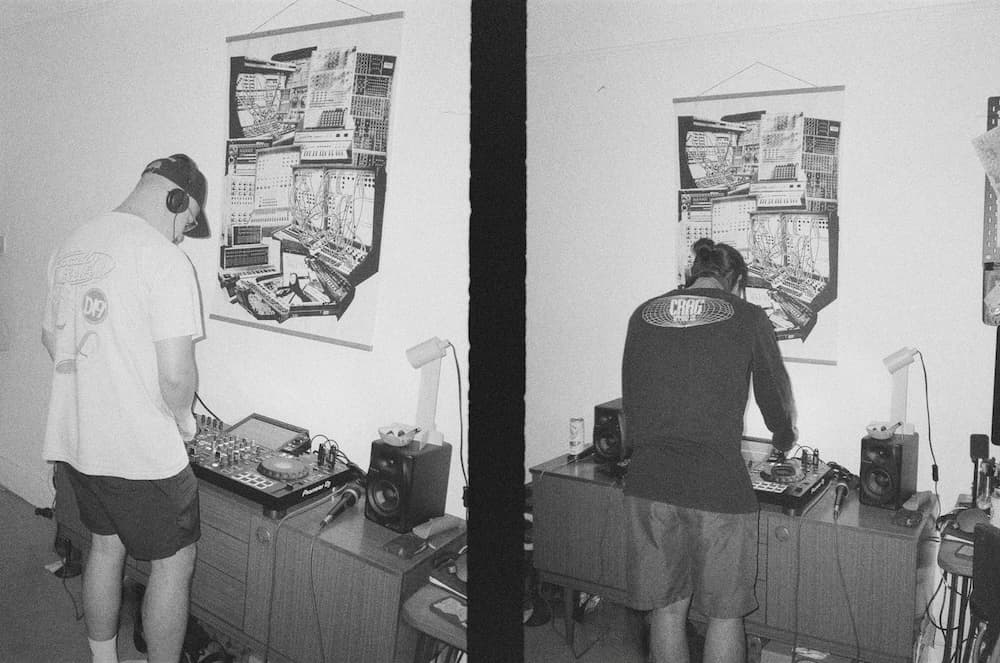
- We then handle the production work: mastering the mixes, setting up the artwork, and compiling show descriptions and tracklists.
- Everything is then uploaded and scheduled using our streaming platform, RadioCult and for playback on Mixcloud.
Community & Interaction: We prioritize real-time connection using a live chat during broadcast, allowing fans and hosts to chat about the music. We also have a resident’s Whatsapp group where we put out announcements and a place for all the DJs and hosts to chat. Finally our main social media profile is our Instagram where we connect with the wider community, sharing whatever we have going on. We’re currently in the middle of starting our blog and newsletter, which will be launching in January/February.
What role does technology - streaming platforms, broadcasting tools, social media - play in launching and running a modern station?
- Streaming Platform (RadioCult): This is the essential tool that makes the entire operation possible, managing our automation and providing the stable global stream.
- Social Media (Instagram): This is our primary engine for promotion of individual shows, and also our main outreach tool for finding new DJs and hosts.
- Broadcasting/Production Tools: These tools allow our globally dispersed team to create and submit broadcast-quality content remotely.
Have there been any unexpected challenges or learning moments since starting the station?
The most profound learning moment has been understanding the effort required to maintain process and consistency among a team of passionate, but often time-constrained, creatives. While passion is the fuel, systems and protocols are the engine that ensures the show goes on without founders being overwhelmed by administrative tasks.
How has RadioCult and other tools supported your launch and ongoing operation?
RadioCult has been crucial because its platform is easy and simple to use, providing the robust, cloud-based infrastructure we need to stream 24/7 (or 12 hours on our current schedule) without the technical complexity of building it ourselves. The embeds that we use on our own website makes life a lot easier, especially the chatbox function where our community comes together.
Other tools, such as our internal communication platforms (Whatsapp) and our editing software (Logic Pro & Ableton), support the global and pre-recorded nature of our operation, allowing us to seamlessly integrate content from around the world.
What advice would you give to someone looking to start their own station in 2025 and 2026?
- Find Your USP and Niche: There are so many stations out there (especially in London). Figure out what makes you different and focus on that specific, passionate community.
- Just Start: Don't wait for perfection and launch a Minimum Viable Product (MVP). Put your idea into motion and work towards perfection. Start a landing page with a simple contact list builder, state what you want to do and see how many people sign up.
- The 80/20 Rule: I usually use the 80:20 rule for everything–the core idea is that 20% of your inputs drive 80% of your output. By identifying these high-impact activities, you can better focus your time and energy.
- Test and Validate: Before a major launch, put out surveys, try to gather emails, and test your concept to see if there is genuine interest.
- Prioritize Content: Invest in good content and reliable streaming before investing in expensive studio equipment.
What’s next for Sibling Radio?
- Expanded Broadcast: Increase our programming from one day a week to perhaps three days a week.
- Soundcloud archive: We found that Mixcloud is more “industry-based” while Soundcloud is more for general listeners.
- Community Expansion: Launch a monthly newsletter and blog and continue hosting events (socials, collaborations, charity fundraisers with groups like Temps Rising).
- Live Shows: Introducing live streaming from any location in the world, eventually leading to the creation of a dedicated physical studio.
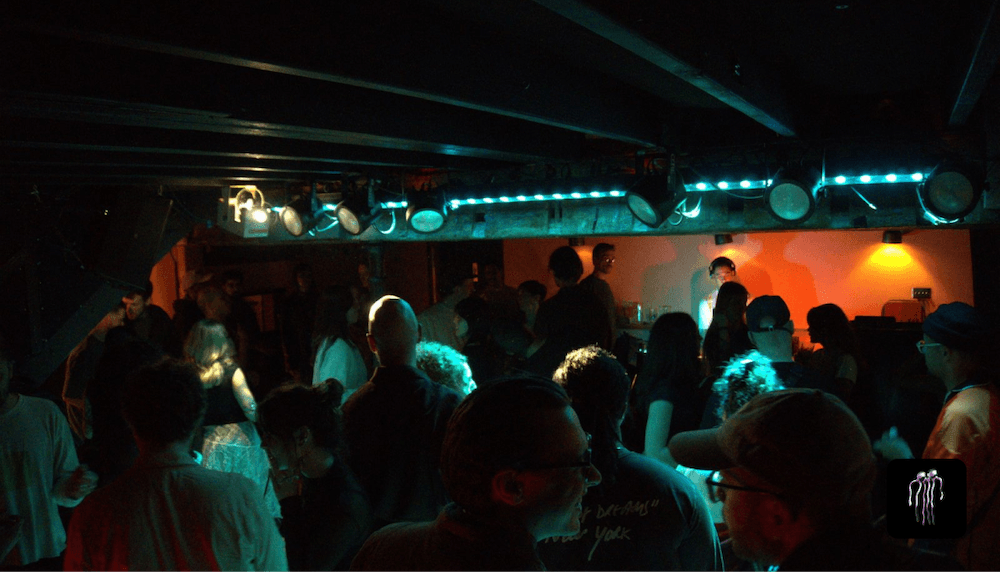
- Future Vision: We envision expanding our events to include not only electronic music but also live music and workshops, potentially even a larger camping/festival style event in the future.